Booking App Development Cost: $40K MVP to $400K Scale
Booking app development cost runs $40K to $400K+ in 2026, and this guide shows what each tier includes, where the money goes and how to cut it.
Read the article →Unlock your business's full potential with full-stack web and mobile software from Intuites: a fixed written scope, two-week sprints, and code you own from the first commit.
Reply within 1 business day. No fee until you approve a written scope.

Intuites is a software development company. With a deep understanding of each client's needs, we help them build successful products by delivering the highest quality engineering and the highest quality work.
Our engineers design, build and support web and mobile software on a fixed written scope, in two-week sprints, with automated tests, a deployment pipeline and code the client owns from the first commit.

To help companies at every level of their organisation get the software they need, with written commitments we keep on every project.

To be the team our clients call first, because the scope was honest, the work was visible every week, and the people stayed.
One practical article a day on building, buying and maintaining software. No hype, real numbers.
Booking app development cost runs $40K to $400K+ in 2026, and this guide shows what each tier includes, where the money goes and how to cut it.
Read the article →A stripe subscription webhooks tutorial covering signature checks, idempotent handlers, failed payment retries and proration, with Node.js code.
Read the article →A vibe coding production app needs auth rules, server-side secrets and tests that AI prototypes skip. Here's what to do about it this quarter.
Read the article →Real projects, described honestly: the constraint, the decision that mattered and the result we measured. Clients anonymised.
Turnaround down 20%, audit clean
A contract analytical laboratory serving pharma and food clients
A contract analytical lab moved from spreadsheets and paper to validated sample tracking software; turnaround improved and its next audit had no findings.
Read the case study →Jobs per technician up 15%
A commercial HVAC contractor with 60 technicians
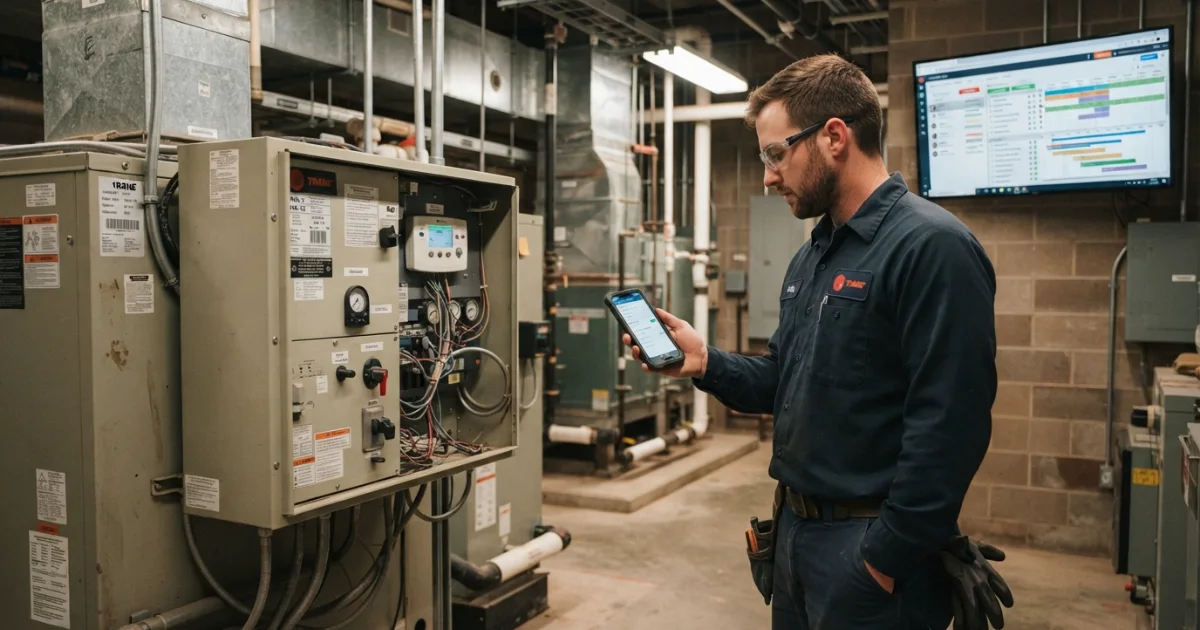
A commercial HVAC contractor swapped a whiteboard, spreadsheet and three group chats for a field service management app built for 60 technicians.
Read the case study →Mobile conversion roughly doubled
A direct-to-consumer home goods brand
How headless commerce development cut a home goods brand's mobile product pages from about six seconds to under two and roughly doubled mobile conversion.
Read the case study →From the first wireframe to the production server, the same engineers carry the work. Pick the piece you need, or hand us the whole product.
Customer portals, dashboards and SaaS products in React, Next.js and Node or PHP.
What it involves →iOS and Android apps in Flutter or React Native, shipped through both stores.
What it involves →AWS, Azure or managed hosting with CI/CD, monitoring, backups and a written runbook.
What it involves →Wireframes, clickable prototypes and a design system, tested with real users first.
What it involves →Monthly retainers for upgrades, security patches, performance and small features.
What it involves →LLM features, assistants and automation built into the products you already run.
What it involves →The same engineering discipline, applied to the rules, data and integrations of each sector.

Learning platforms, student portals and the integrations behind them.

HIPAA-aware applications, scheduling systems and patient-facing apps.

Quote, claims and policy workflows with the audit trail regulators expect.

Data pipelines, lab and trial tooling, validated and documented.

ERP integrations, shop-floor dashboards and supplier portals.

Secure customer portals, reporting and core-system integrations.
In their own words.

“The written scope matched what was delivered, line for line. We had a staging link to test every two weeks, and the final invoice was the number on the scope.”

“They rebuilt our dispatch portal without a day of downtime. The hand-over runbook meant our own developer could make changes the week after launch.”

“One Flutter codebase, both app stores, and the reviews went through first time. The weekly written update was the part our board liked most.”

“We came with a spreadsheet and left with a booking system our clients use every day. Everything lives in our own GitHub and AWS accounts.”

“The QuickBooks and Stripe integration we had been quoted six months for elsewhere shipped in seven weeks, documented and load-tested.”

“Two years on a monthly retainer. Security patches land before we ask, and small features are turned around inside the agreed response time.”

Source lives in your GitHub or GitLab from day one. Cloud, domain and app-store accounts are opened in your name, not ours.
No lock-in
You see what will be built, by when and at what cost, with the assumptions written down beside the figure.
Fixed scope, fixed price
Working software on a staging URL at the end of each sprint, not a slide deck at the end of the project.
Weekly updateEvery stage ends in an artefact you can open: a scope, a prototype, a staging URL, a live product. Nothing is a surprise at delivery.

Workshops, user flows and a written scope with a fixed price and the assumptions stated.
1–2 weeks
A clickable Figma prototype and a component library, tested with real users before code is written.
2–3 weeks
Working software on a staging URL at the end of every sprint, a written update every week.
6–16 weeks
Release, monitoring and 30 days of support included, then a monthly retainer if you want one.
30 days includedWe pick the stack that fits your product and the people who will maintain it. These are the tools we build with every week.


Fifteen minutes with an engineer to see your product differently and find the options you may not have considered. No fee, no obligation.


Pay, location and engagement type on every posting. Apply in about two minutes, and an engineer reads it.
Two minutes of structured questions. You get a written scope with a number on it from the engineer who would do the work.